Key Takeaways
- Plan your trip to China based on the season, as each offers unique experiences from colorful autumn foliage to vibrant spring blossoms and lively festivals.
- When is the best time to travel to China?
- Traveling during festivals is obvious for the cultural insight, but you’ll pay a premium and face overcrowding at attractions. Plan for those factors.
- Skip the crowds and prices by traveling during shoulder or off-peak seasons.
- Photography, food, hiking, and history buffs can customize their travels to coincide with the best seasonal opportunities for their pursuits.
- Keep your plans flexible to ride the changing weather and maximize local happenings and experiences.
When’s the ideal time to visit China? Spring (March to May) and Autumn (September to November) are the best seasons. These seasons offer mild weather and less rain, allowing you to easily navigate cities and landmarks. Spring flaunts fresh blooms and green parks, while autumn brings cool air and clear skies. Big cities like Beijing, Shanghai, and Xi’an experience fewer crowds during these months, which aids travel. During summer, it’s not uncommon for temperatures to go higher than 30°C and some areas receive heavy rain. Winter is icy cold, with a few northern cities going below freezing. Choosing the season really depends on where in China you want to go and what you want to see. The main body dissects every season with regional hints and tips.
China’s Best Travel Seasons
China’s large expanse, including regions like southwest China and central China, features several climates, making every season unique in sights and happenings. The ideal timing for China tours varies based on your interests. Most visitors pick spring (March to May) or autumn (September to November) for mild weather and fewer crowds.
1. Autumn’s Golden Touch
China’s Best Travel Seasons Autumn, September to November, brings crisp air and blue skies. The trees in places like Beijing and Hangzhou turn red, gold, and orange, making parks and lakesides a favorite place to hang for locals and travelers alike. Autumn is a season for harvest festivals, like the Mid-Autumn Festival, when mooncakes are shared and lanterns are lit. The weather is perfect for walking the Great Wall or wandering the city streets, cool but not cold. Photographers consider this to be their best season to catch clear, vibrant landscapes. In southern regions, late autumn is less humid and rainy, resulting in greater comfort during extended walks and outdoor dining.
2. Spring’s Gentle Awakening
Spring spans March to May and is famous for its fresh air and flower blossoms, particularly in regions like Yunnan province where peach and cherry blossoms attract many visitors. The mild weather during this travel month makes it easy to hike or visit gardens and rural paths, enhancing the experience of exploring China’s vibrant landscapes. Spring festivals, such as the Qingming Festival, showcase local traditions and frequently involve kite flying and family reunions. With many attractions less busy than in summer, you can enjoy the beauty of places like the Forbidden City or West Lake with more space to appreciate the scenery.
3. Summer’s Vibrant Challenge
China’s summer (June-August) is hot and humid in most cities, particularly in the south, including southwest China. July and August bring high heat, heavy rain, and big crowds, along with vibrant festivals. Many visitors come to watch boat races or sample festival foods during the Dragon Boat Festival in June and the Fishing Festival in July. Those who don’t like the heat can turn to the mountains, such as Yunnan Province, where the air stays cool and alpine flowers bloom. Summer is good for hiking and outdoor sports in higher, cooler areas.
4. Winter’s Quiet Majesty
Winter, from December to February, is the coldest in the north, where snow envelops cities like Harbin and Beijing. January temperatures can drop as low as -9°C (16°F). Among the highlights is the Harbin Ice Festival, featuring giant ice sculptures and glowing lights. Skiing and snowboarding take place in the mountains near Zhangjiakou, while travelers on China tours seeking to escape the crowds often find the southern areas milder, making it a pleasant alternative for those who cannot handle the cold. This season offers a quieter side of China, perfect for those who appreciate the serene winter landscapes.
A Region-by-Region Climate Guide
China’s climate varies from severe winter in the north to humid summer in the south, particularly in regions like southwest China and central China. Timing your trip by region can help you avoid extreme weather, enjoy the spectacular autumn leaves, and take advantage of festivals and landscapes at their peak.
| Region | Climate Type | Best Travel Months | Notable Weather Risks |
| Northern China | Continental | Mar–May, Sep–Nov | Harsh winter, dry winds |
| Eastern China | Humid Subtropical | Mar–May, Sep–Nov | Summer heat, typhoons |
| Southern China | Subtropical/Tropical | Nov–Dec, Mar–May | Rainy season, summer heat |
| Western China | Highland/Desert | Jun–Jul, Sep–Oct | Altitude, temp swings |
Northern China
Northern China has cold, dry winters and hot summers. In places like Beijing, air is crisp in the fall and spring offers gorgeous days ideal for hiking the Great Wall or visiting ancient palaces. Harbin transforms into a winter wonderland in January and February, featuring snow festivals and ice sculptures. Up north, November kicks off the dry season with crisp days and early snow, creating a winter sports paradise around Changbai Mountain.
Late spring and early autumn offer the allure of blue skies and pleasant weather, which is perfect for hiking or urban excursions. Summers may be hot, but the crisp air is great for pictures and extended sightseeing days.
Eastern China
To the east in cities like Shanghai and Hangzhou, the humid subtropical air pulls. Spring and fall are mild, making open-air markets, city parks, and lakefront strolls optimal. Summer heats up with humidity and the threat of typhoons along the coast in August. Schedule indoor excursions or monitor the local forecast.
Festivals such as the Dragon Boat Festival make the streets roar with music and crowds coming by, adding color to your experience! Although it’s monsoon, the city doesn’t stop for art, gourmet cuisine, and culture.
Southern China
Guangzhou and Yunnan in the south have warm, humid air almost the entire year. November and December are mild, which is perfect for wandering around gardens and old towns. Rainy months from May to September saturate the hills with green and attract hikers and photographers.
Winters remain mild, facilitating an easy enjoyment of sights outdoors. Local festivals like Lantern Festival give your trip a local flavor. Southern China is for those wanting to avoid the cold and witness verdant landscapes.
Western China
Western provinces like Tibet and Xinjiang display a mixed climate. High-altitude places remain cool, even in June and July, which is ideal for avoiding midsummer heat down south. Spring and fall signify rocky mountain vistas and expansive meadows.
A few are elevated above sea level, so bring warm layers and acclimate! It’s a less crowded region, therefore you can visit temples, lakes, and deserts unhurriedly. Prepare for rapid weather shifts.
Travel Around China’s Festivals
Travel around China’s festivals, especially in regions like southwest China and central China. China has a rich festival calendar that defines the best times to visit. With its size and regional diversity, timing your dates around local and national celebrations can provide a deeper cultural insight, particularly during the summer months and winter approaches, and comes with bigger crowds and sky-high travel expenses.
- Chinese New Year: The largest migration of people occurs, leading to high demand for hotels and transport.
- Qingming Festival: Flower blooms, outdoor activities, and family gatherings.
- Dragon Boat Festival: Boat races, river festivities, and regional foods.
- Mid-Autumn Festival: Lanterns, mooncakes, and traditional events.
- Harbin Ice Festival: Winter sculptures and cold weather attractions.
- Other notable events include the Strawberry Music Festival in Beijing, the Lantern Festival, Tibetan Saga Dawa and Shoton, Hong Kong’s Art Basel, and the Cheung Chau Bun Festival.
Chinese New Year
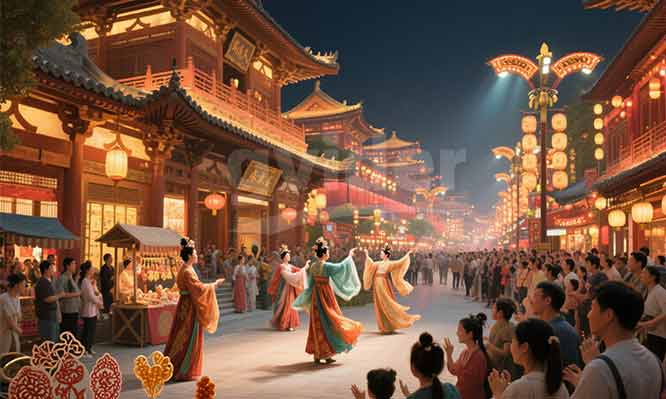
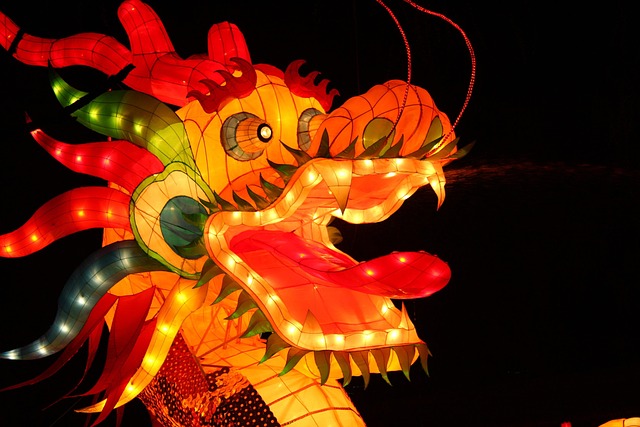
During the Chinese New Year, or the Lunar New Year, cities across southwest China are aglow with lanterns, fireworks, and red decorations. Streets are alive with parades, dragon and lion dances, and open-air performances. Many families travel great distances to reunite, especially from provinces like Guangxi and Yunnan Province. Public transport and tourist sites are congested, while food stalls sell dumplings, tangyuan, and other seasonal snacks, with hotels and flights typically at double the usual price during this 13-day holiday.
Qingming Festival
Qingming (Tomb Sweeping Day) in early April marks the arrival of spring in southwest China, where parks and gardens are adorned with new blossoms. Families visit cemeteries to honor their ancestors and often enjoy outdoor picnics amidst the pleasant temperatures. This mild weather presents an ideal opportunity for walks and bike rides, as big cities may be less crowded while a few scenic parks remain busy with visitors.
Dragon Boat Festival
Travel around China’s festivals Dragon Boat Festival – late May/June Suzhou’s and Hangzhou’s rivers and lakes hold boat races, attracting locals and tourists. They eat zongzi, which is a sticky rice dumpling wrapped in bamboo leaves. Water towns and riverside venues are bustling, but the atmosphere is festive and hospitable. Warm, early summer weather is great for sightseeing.
Mid-Autumn Festival
The Mid-Autumn Festival, typically in September or October, is celebrated by indulging in mooncakes and observing lantern exhibitions. During this time, many families gather in parks, enjoying the mild weather and pleasant temperatures while appreciating the full moon. Although tourist sites can be busy, they are not as crowded as during the summer months, making it a great time for outdoor activities.
Harbin Ice Festival
Harbin Ice Festival (January–February) – The city transforms into a frozen wonderland, showcasing stunning ice and snow sculptures illuminated with colorful lights. Visitors can enjoy outdoor activities like climbing ice slides and skating while sampling local winter delicacies. Despite the cold temperatures, the festival’s unique landscape is a must-see for those exploring the vibrant scenery of southwest China.
Navigating Crowds and Costs
Visiting China is a wonderful experience. Timing influences not only how crowded attractions are but how expensive your trip will be. Peak holidays, weather, and local happenings all contribute to how crowded the draws are and how much you’re going to shell out for things like accommodations and transportation. Knowing this seasonality can help you plan a smoother, more affordable trip.
Tips for avoiding crowds in China:
- Steer clear of Chinese New Year in January and February and Golden Week from October 1 to October 7.
- Travel during shoulder seasons: spring (March–May) or autumn (Sept–Nov)
- Book early for peak times to save on flights and hotels.
- Opt for hidden gem cities or countryside locations for a more tranquil experience.
- Hit attractions early in the morning or late in the afternoon to avoid tour groups.
Peak Seasons
| Season/Events | Months/Dates | Crowd Level | Typical Costs (USD) |
| Chinese New Year | Jan/Feb | Very High | 30–50% above average |
| Golden Week | Oct 1–7 | Very High | 40–60% above average |
| Summer Holidays | July–August | High | 20–40% above average |
| Major Festivals (e.g., Strawberry Music Festival) | Event dates | High | Event surcharges |
Hotels and trains in popular tourist areas like Beijing or Shanghai get booked up early, sometimes months ahead of time. Room and ticket prices can leap suddenly, especially during the summer months. Sites such as the Great Wall or the Terracotta Warriors seem crowded, which makes our visit less leisurely. If you’re forced to visit a place during a crowded season, consider exploring the lesser-known sites or rural provinces like Yunnan Province or Guangxi. Booking accommodation and travel in advance is critical, as waiting until the last minute may limit your choices.
Shoulder Seasons
Spring and fall are mild, less crowded, and more economical. March to May and September to November are the best bets. Attractions may still be open, but lines are shorter and the air is often clearer, particularly in cities where summer smog might still be hanging around.
Tourists can secure rooms at reasonable prices and glide through primary attractions. These seasons are great for scenic destinations such as the Yellow Mountains or West Lake, where the beauty of nature shines through without the summer crowds. It’s easier to plan and you can connect with locals more, seeing day-to-day life up close.
Off-Peak Seasons
Being off-peak, mostly winter (December to February) has cheaper flights, hotels and entrance fees. Once the crowds thin out, museums or temples are much quieter. This is a good period for deals and a slower pace.
Weather is a mixed bag, with northern cities getting cold snaps and rain in the south. Certain touristic destinations could be open just a few hours. Winter reveals local gems overlooked when everyone’s around, like Sichuan’s hot springs or Yunnan’s sleepy villages. Flexible travelers ready to brave the elements can find a different, more intimate side of China.
Beyond the Weather
China for year-round travel is influenced by its immense landscapes, diverse climates, and rich culture, particularly in regions like southwest China and Yunnan Province. While weather is important, factors like crowds and unique experiences, such as the snow festival in Jiuzhaigou National Park, also play a crucial role in planning your trip.
- Seasonal festivals can influence city and country travel plans.
- Crowds peak during summer at popular landmarks—expect long lines.
- Culinary experiences shift with harvests and local festivals.
- Spring and autumn bring mild weather and scenic landscapes.
- Hiking, for example, is contingent on local climate and terrain.
- Photography opportunities change with each season and event.
- Historical sites offer different atmospheres in off-peak months.
- December and January are full of celebrations and can be nippy and sometimes downright cold, especially up north.
- South China is mild in late autumn with less rain.
- China’s size means that travel is feasible nearly year-round.
For Photographers
Timing matters for catching China’s beauty. Spring brings cherry blossoms, rapeseed fields, and clear skies. Autumn offers red maples and golden ginkgo trees, especially in parks and historic sites. Summer means lush green rice terraces in places like Longji, but crowds at major spots. Winter offers snow scenes in the north, with fewer tourists.
Festivals such as Lunar New Year or the Mid-Autumn Festival adorn the streets with color, parades, and lanterns — special opportunities for street and portrait photography. Mornings and late afternoons provide soft light, perfect for either Shanghai’s city skyline or Yunnan’s mountain ranges. City streets, country towns, and scenic mountain passes all have their times to shine.
For Food Lovers
Every season has its meals. Spring means new bamboo shoots and wild greens. Summer markets are teeming with cooled noodles, tropical fruits and street fare. Autumn is harvest season, with crab in Shanghai and mooncakes for the Mid-Autumn Festival. Winter is hotpot and warming stews.
Food festivals bring out local flavors, such as a dumpling or chili pepper fest. The very best street food is warm weather street food, when the night markets are hopping. Visiting at harvest ensures that taste is as fresh as can be.
For Hikers
Springs and autumns are tops for most hikes — mild weather and unobstructed vistas. High mountains from June to August are prime, when alpine flowers bloom and paths are safe. Places such as Zhangjiajie Forest or Tiger Leaping Gorge are prominent.
Remote hikes typically require guides, particularly in the backcountry. Every terrain, whether mountainous, valley, or forest, has its optimal period for enjoyable and safe walks.
For History Buffs
With the off-peak months come quieter visits to the Great Wall, Terracotta Army or Forbidden City. Architecture and ancient sites are more easily explored in spring or late autumn when there are fewer crowds and it’s not so hot.
Local guides reveal stories behind temples and palaces. A trip during an age-old festival like National Day or Lantern Festival gives you a glimpse of tradition and community celebrations.
My Personal Recommendation
When you should visit China depends on what you want from your trip, whether it’s good weather, smaller crowds, or specific activities. Spring (March to May) and autumn (September to November) are the two best seasons for most visitors. These months typically deliver mild days, blue skies, and reduced rainfall. My personal recommendation is the shoulder months — April, May, September, and October — which tend to be comfortable, not too hot or cold, with fewer crowds at big sights. That way, it’s easier to visit the Great Wall or the Terracotta Warriors without standing in line. Especially in the fall, with spectacular autumn leaves and bright colors in places like Beijing, Xi’an, and Zhangjiajie, all great for photos and strolls.
For those who love to experience local culture, consider timing your trip with one of China’s many festivals, such as the snow festival in the northeast or the Mid-Autumn Festival in September or October. These events enable you to view lanterns and mooncakes throughout cities and towns. Combine these events with sightseeing to provide you with a deeper, more authentic feel for life in China. Keep in mind that grand events like Chinese New Year in late January or February attract large crowds, so make your arrangements far in advance if you want to be a part of it or steer clear of it.
Be flexible while planning. Weather is unpredictable and local events tend to just ‘pop up’ suddenly. Leaving days open allows you the flexibility to switch if you encounter rain, heat, or unexpected closures. If you’re a fan of heat, southern destinations such as Yunnan Province, Fujian, and Guangzhou remain temperate through late autumn. For beach bunnies, tropical Hainan is toasty and swimming friendly in January and February. Hikers may prefer to visit from June to August when high mountain trails become accessible and wildflowers carpet the slopes.
Going off-season can mean fewer crowds and cheaper prices. Certain locations or festivals might not be open or might have less to see. October is usually the best month, as everything is nice and not too crazy. This time is great for cities such as Guilin or Hangzhou, where you can enjoy the gorgeous countryside and vibrant local culture.
Conclusion
China has so much to see all year round. Warm spring days rouse the cherry trees. Fall bestows clear skies and colorful park leaves. While big cities hum with activity during holidays, small towns seem to come alive with the stillness of quiet streets and open paths. Trains and buses operate throughout the year, allowing you to get to remote mountains and bustling bazaars regardless of the time of year. Consider what you’re most eager to experience—visit grand walls, sample street food, or stroll through old towns. Choose your month for what fits right with your plans. For more inspiration or local advice, visit travel forums or consult with travelers who have gone. So when is the best time to travel to China?
Frequently Asked Questions
What is the best month to visit China?
April, May, September, and October offer fairly mild weather and are ideal for exploring southwest China, particularly the vibrant visitor attractions.
How does China’s climate vary by region?
While southwest China’s north is cold and dry in winter, the southern regions, like Yunnan Province, stay mild. Summer approaches with hot and humid weather, but it is cooler in the mountainous areas.
Should I avoid traveling during Chinese festivals?
Big festivals like Chinese New Year and National Day in southwest China can be crowded and expensive, so if you prefer a quieter experience, consider visiting during the summer months!
Is it cheaper to travel to China during the off-season?
Yes. During the summer months, particularly in southwest China, there are usually off-season months when flight and hotel prices can be lower, but some attractions might have reduced hours.
How are air quality and pollution in China for travelers?
Air quality in major cities like Chengdu and Chongqing depends on the season, with pollution peaking in winter months. It’s wise to consult local air quality indexes before your trip, especially during the summer months.
What are the main benefits of visiting China in spring or autumn?
Spring and autumn are the best times to travel to China, especially in regions like Yunnan Province and Chengdu, as the temperatures are comfortable, the scenery is beautiful, and there are fewer tourists.
Can weather affect travel plans in China?
Yes, in southwest China, summer rains can be heavy and cause floods, while winter snows in the north disrupt transport. Be sure to check weather predictions when planning your China tours.
Article written by Gvider | China Travel Agency in China
Original article source: https://www.gvider.com/best-time-to-travel-to-china/