Key Takeaways
- Living history — ancient sites, Silk Road routes, and riverside towns where life still goes on as it always has.
- From karst peaks to the Tibetan Plateau, the country’s incredible landscapes offer adventure and scenic beauty for every season.
- Between the local meals and hands-on cooking classes, China’s regional cuisines entice visitors with their variety of flavors and techniques.
- Contemporary cities exhibit a vibrant blend of cutting-edge architecture, neon-lit skylines, and ancient hutongs, highlighting the coexistence of swift urban expansion alongside tradition.
- Immersive cultural experiences like artisan workshops and seasonal festivals enable travelers to engage with local traditions and contribute to their preservation.
- A trip to China is a life-changing experience that promotes cross-cultural awareness, self-discovery, and an expansive worldview.
Reasons to travel to China: rich history, diversity in landscape, unique food. From ancient sites such as the Great Wall to bustling cities with every modern convenience imaginable, China has it all. You will discover both silent villages and a swift urban pace. Local markets demonstrate daily culture, while natural parks emphasize expansive mountain views. I know lots of people go for business, to study, or just on vacation. Every journey presents new sights and flavors. The following sections provide information for each reason.
Uncover China’s Living History
China’s ancient past is embedded in her cities, landscapes, and traditions, making it a prime destination for those who wish to explore. Visitors can experience the rich culture and history through her dynasties, trade routes, and revolutions, rendering China a land where the past remains alive and forms the present, especially in regions like Yunnan and Guizhou.
1. Imperial Grandeur
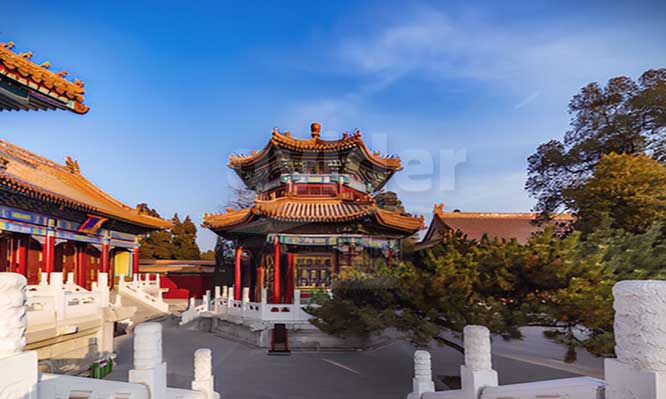
Beijing’s Forbidden City is one of the world’s most intact palace complexes, with more than 980 surviving buildings from the Ming and Qing eras. With its intricate carvings, red walls, and golden roofs, it displays craftsmanship that very few can match. Uncover China’s Living History.
The Summer Palace, an imperial garden retreat, showcases the refinement and style of Qing emperors with its lakes, pavilions, and painted corridors. In Xian, the Terracotta Army, at times dubbed the Eighth Wonder of the World, provides a glimpse at the Qin dynasty’s military strength and the unification of China. The imperial court rituals and ceremonies that were once held in these spaces reveal the values and beliefs that helped shape Chinese governance and society.
2. Silk Road Echoes
The Silk Road connected China with Europe and the Middle East, creating a rich tapestry of cultural heritage. The bustling bazaars of Dunhuang and Kashgar resonate with the cries of merchants, while ancient caravanserais stand as a testament to the intercontinental exchange of commodities and culture. Local craftspeople still hand-make silk and pottery using centuries-old skills. Meals that reflect the influence of Central Asia and Persia showcase the region’s culinary delights. Museums along the Silk Road exhibit relics, coins, maps, and fabrics that recount the history of a trade route that influenced both China and the world.
3. Riverside Towns
Fenghuang and Lijiang preserve the spirit of ancient China in their cobbled lanes, lantern-decorated waterfronts, and wooden footbridges. Little boats float by stilt houses, and life still revolves around the water. Locals welcome guests into tea ceremonies or folk dancing, offering an immersive experience that showcases traditional Chinese culture. The wooden houses and ancient bridges that line each river serve as reminders of the country’s power to maintain tradition amid growing cities, making it a captivating destination for those looking to explore China.
4. Sacred Mountains
Wutai and Emei mountains are sacred, with temples that have attracted Buddhist pilgrims for centuries. As you climb these peaks, you can explore spiritual practices that link to China’s rich culture, encountering prayer flags, shrines, and monks chanting at dawn. The air is still, interrupted only by bells and birds. Visitors occasionally participate in rituals or light incense, creating an immersive experience grounded in Chinese history. Sunrises and sunsets over the ridges provide lingering vistas and reveal why these mountains continue to be worshipped.
5. Revolutionary Footprints
Cities like Xi‘an and Shanghai house museums and memorials connected to China’s revolutions, from the collapse of the last dynasty through the establishment of the republic in 1912 and later 20th-century struggles. Monuments tell the tales of heroes and ordinary citizens too. Locals frequently discuss the transformations their own families witnessed, putting a human face on national history. These are places where old meets new, where Chinese culture and tradition can coexist to mold a China destination side by side.
Venture into Wild Landscapes
China’s wild landscapes are both gigantic and varied, showcasing a rich culture and unique geology that attract adventurous travelers. From the soaring southern peaks to western high plateaus, the intrepid explorer can encounter gentle lakes and bold rock formations, making this a prime destination for those seeking an immersive experience in nature.
Karst Peaks
Guilin’s karst peaks are one of China’s most recognizable geological features. Limestone hills tower out of the earth, forming an almost otherworldly landscape. Sailing down the Li River, visitors encounter ethereal mists drifting between limestone peaks and tiny villages nesting on the shores. For centuries, its serene beauty has moved artists and poets.
For the active, biking and hiking trails snake through rice paddies and towering cliffs. Spring is an excellent time to visit with peach blossoms dotting the green hills. That area is full of vegetation and animals, and the first light of day offers sightings of cormorants controlled by fishermen.
Avatar Mountains
Zhangjiajie National Forest Park is known for its sandstone pillars, with some towering over 200 meters in height. These formations were the inspiration for the floating mountains in Avatar. Wandering the woods, you can discover silent paths, icy streams, and dense stands of bamboo. The region isn’t simply jaw-dropping; it has some of the most elusive species such as the clouded leopard and blue sheep.
With the world’s longest and highest glass bridge spanning a deep canyon, the pillars look as if they’re floating in the mist. Flora and fauna abound here, many of which are endemic to the subtropical region. UNESCO attention emphasizes the need to preserve this ecosystem.
Rainbow Danxia
Zhangye’s Rainbow Mountains — bands of red, orange, yellow, and green sweep across the hillsides. The hues are the result of mineral deposits that have accumulated over millions of years. Photographers arrive at sunrise and sunset to capture the light shimmering against the rocks.
Nearby park trails criss-cross through the formations and over to lookouts. The unique plants and animals enhance the adventure, with birds and wildflowers frequently encountered on treks. Understanding the slow geological shifts underneath the landscape adds perspective to its formation.
Tibetan Plateau
Dubbed the ‘Roof of the World,’ the Tibetan Plateau sprawls across western China with elevations exceeding 4,000 meters. Snow-capped peaks, sweeping grasslands, and blue lakes make up the region. Ancient monasteries are sprinkled across the terrain, each imbued with profound spiritual heritage.
Tourists can hike from isolated villages, witnessing existence carved by custom and severe weather. Locals, often Tibetan or other ethnic groups, keep traditions that have been shared for centuries. The plateau is the perfect destination for adventurers and culture enthusiasts alike.
Taste Authentic Regional Flavors
What sets Chinese cuisine apart is its profound depth and diversity, influenced by centuries of historical significance and regional variations. Each province, such as Sichuan and Yunnan, adds its own mix of ingredients, techniques, and cultural influences, making it an essential part of any China travel experience. Dishes aren’t just about taste; they reflect tradition, geography, and the beauty of sharing meals together. Local ingredients and ancient cooking techniques characterize the flavors of each region, while markets and street vendors provide an authentic taste of life, inviting you to explore Chinese culture.
- Sichuan Hot Pot: Fiery broth, Sichuan peppercorns, communal dining
- Cantonese Dim Sum: Light bites, steamed dumplings, tea pairing
- Dongbei Dumplings: Thick wrappers, hearty fillings, cold-weather comfort
- Hunan Red-Braised Pork: Tangy sauce, fresh chilies, and slow-cooked pork
- Peking Duck: Crispy skin, thin pancakes, sweet bean sauce
Fiery Sichuan
Sichuan cuisine is renowned for its audacious and spicy flavors, thanks to local chili peppers and the tongue-tingling Sichuan peppercorns. These ingredients create dishes that are hot and numbing, a signature of the region. Local hotpot restaurants are abundant, making it a prime destination to explore Chinese culture. Hotpot isn’t just a meal; it’s an immersive experience where guests huddle around bubbling pots, dunking meats, greens, and tofu into chili oil and pepper-laced broths.
Luncheon at a hotpot spot exemplifies how food unites people in Sichuan. Chengdu’s markets provide an opportunity to view fresh ingredients and spices being sold by the fistful, while Mapo Tofu and Kung Pao Chicken stand as culinary delights at the finest restaurants, each prepared with pride and locality, reinforcing the bond of communal dining.
Delicate Cantonese
Cantonese cooking prizes freshness and subtle seasoning. Chefs rely on light sauces, quick steaming, and an emphasis on seafood. Dim sum is integral to the culture, with tea houses presenting carts of steamed buns, dumplings, and rice rolls in the morning. It’s customary to share these little plates of food with friends or even strangers at a communal big table.
Seafood markets bustled from dawn and chefs frequently cooked up the catch of the day in minimal and uncomplicated ways to highlight the natural flavor. A few local restaurants run cooking classes where visitors can learn to make dim sum or stir-fried greens. The subtlety of Cantonese cuisine is its restraint and reverence towards every component of the dish.
Hearty Dongbei
Dongbei, in the northeast, dishes out hearty, robust flavors crafted for chilly winters. Meals frequently include root vegetables, pork, and wheat products such as steamed buns and dumplings. Meals are enriched with stews and braises, simmered slow for the ultimate in comfort.
Local joints dish up large platters, with fresh greens and pickles on the side. Dumplings, typically stuffed with cabbage or pork, are a mainstay, consumed during family dinners or celebrations. Dongbei’s cuisine reflects the influence of the region’s climate and agricultural heritage. Chatting with locals at tiny diners provides tales of how history and migration influence your plate.
Tangy Hunan
Hunan’s cuisine is striking because of its fresh chilies and sour touches. The sourness comes from pickled vegetables, vinegar, and a passion for spicy food. Changsha markets are perfect for witnessing baskets full of fresh peppers and heaps of local spices.
Taste authentic regional flavors – cooking demos at local kitchens demonstrate how local chefs employ stir-frying and braising to create bold flavors in a hurry. Don’t miss the renowned Chairman Mao’s Red-Braised Pork, with its sugar-sweet, savory, spicy sauce covering tender pork. Hunan food is never static. Young folks in the province are always sampling new sauces or putting new spins on old recipes. Seasonal dishes transition from cold spicy salads in summer to rich stews in winter, never letting the taste fade into the background.
Witness Dynamic Urban Futures
For all of China, cities are evolving rapidly, attracting residents with towered horizons, innovative technology, and communal spaces that blend tradition and innovation. These cities aren’t just business hubs; they’re where heritage and innovation converge, offering a unique travel experience. For travelers looking to explore China, it’s more ways to experience both sides of the city, from centuries-old alleyways to glimmering skyscrapers. Traveling is a breeze these days with the bullet train network and hundreds of international airports, making it easier for visitors to enjoy the rich culture and attractions of this vast country.
Neon Skylines
Shanghai’s neon-lit skyline at night attracts visitors to the Bund and Lujiazui, making it a perfect destination to explore China. Experience Shenzhen’s city center light up after dark with LEDs and bright lights, showcasing the vibrant culture of the region. The Huangpu River cruise is a must for those wanting to see the skyline from the water, with iconic buildings like the Oriental Pearl Tower standing out. From lofty decks like the Shanghai Tower’s, you receive the complete scale and aesthetic of this immersive experience. Street photography here speaks of motion, light, and the vibrancy that molds these cities day in and day out.
Ancient Alleyways
In Beijing, the hutongs offer an immersive experience into the city’s past, with narrow lanes and old courtyards concealed behind tall walls. They’re dotted with boutique stores, tea houses, and street food vendors, where you can explore delicious Chinese dishes. Others are just keen to tell you about life or their families’ generational experiences here. The enchantment of these back alleys is even more pronounced with shimmering glass towers nearby, illustrating that the city’s historic soul endures as the metropolis expands.
Innovative Design
Guangzhou and Hangzhou showcase bold buildings and smart city planning, making them essential China destinations. Hangzhou’s digital economy influences lifestyle, with public spaces that combine art and tech, allowing visitors to explore how modern China embraces both innovation and rich culture. Strolling through contemporary parks, bridges, and malls, travelers can appreciate innovative concepts for green design while experiencing the hospitality of local communities. With mobile platforms and OTAs, it is easy for travelers to navigate and schedule visits to these sites, revealing the fascinating interplay between tech and tradition in this vibrant region.
Connect with Local Traditions
China’s traditions run centuries deep, influencing everyday life in both urban and rural communities. The stratified presence of custom, belief, and ritual is tangible everywhere from old teahouses to bustling local bazaars. This rich culture comes alive in daily rituals, seasonal festivals, and artisan crafts, making it an essential China travel destination. Even as cities expand and evolve, traditions ancient and modern tend to flourish alongside one another.
Living Heritage
UNESCO-listed sites such as Lijiang and Pingyao’s old towns preserve China’s rich culture and living heritage. As you explore these neighborhoods, you’ll encounter homes, courtyards, and temples constructed hundreds of years ago. These areas provide an immersive experience of the day-to-day life of yesteryear — how they lived, worked, and celebrated.
Local artisans are a huge factor in sustaining these traditions. In some countries, families have handed down paper cutting, silk embroidery, and jade carving for centuries. A few craftsmen still open their doors in diminutive ateliers or domestic studios, demonstrating their molding of raw substance into masterpieces. You can find a potter molding clay with his hands or a calligrapher decorating rice paper with brush and ink.
Traditional performing arts continue to thrive across China. Tiny teahouses in Chengdu and other cities put on amateur Sichuan opera or storytelling sessions. Music, dance, and theater performances, often set in parks or on street corners, provide insight into the folk legends and community ideals that define the cultural heritage of these regions.
Maintaining cultural identity is important, particularly with urbanization and lifestyle evolution. Lots of families and neighborhoods strive to preserve these folkways for their kids. This aids in making sure that heritage is not only recalled but lived.
Seasonal Festivals
- Lunar New Year: Family reunions, fireworks, red lanterns, and festive meals
- Mid-Autumn Festival: Mooncakes, lanterns, and moon-gazing with loved ones.
- Dragon Boat Festival: Boat races, sticky rice dumplings, and honoring ancestors.
- Qingming Festival: Tomb-sweeping, family outings, and spring picnics
- Local food festivals: Regional specialties, street snacks, and folk performances
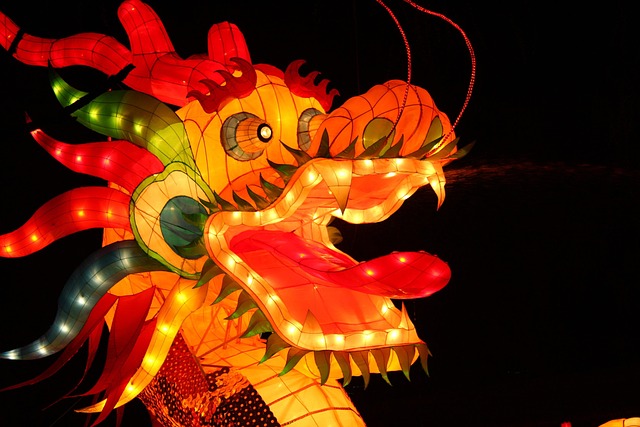
To experience these festivals first-hand is to take part in parades or feasts with locals. Lunar New Year, for example, has markets bursting with decorations and vendors hawking special treats, showcasing the rich culture and culinary delights of the region. The Mid-Autumn Festival features beautiful lantern displays in parks and courtyards. Whether it’s lantern fairs up north or water-splashing events down south, every regional festival pays homage to local traditions.
Artisan Workshops
- Pottery making
- Calligraphy classes
- Paper cutting
- Silk weaving
- Wood carving
Most workshops receive travelers wishing to experience ancient crafts first-hand. A practical calligraphy or paper cutting lesson shows you how meticulous and calm these crafts demand you to be.
Purchasing a handcrafted object directly from the creator contributes to sustaining these arts. These interactions bring to the surface genuine dialogues about tradition and transformation. When you experience the work and story behind each piece, it builds respect for both the craft and the people.
A Journey of Transformation
Traveling in China is more than mere sight-seeing; it can transform one’s perspective on the world and oneself. Whether wandering through an ancient yet modern metropolis like Beijing or Shanghai, or hiking through the silent beauty of Huangshan, such experiences can reshape your thinking and being. With Asia’s rich culture and history, each journey offers a unique travel experience that goes beyond the typical tourist hotspots.
Encountering diverse people is an integral piece of this adventure. China embraces numerous cultures, from the Han majority to various ethnic minorities such as the Zhuang and Hui. Engaging with locals at a tea house or enjoying regional cuisine with a family in a rural village can reveal alternative lifestyles that challenge archaic beliefs. These conversations can be surprising, demonstrating that while we might have different habits or beliefs, we share the same hopes and dreams. Even brief experiences, like learning to use chopsticks or becoming part of a bustling street market, can make you question your own routine.
You can sense the country’s 5,000-plus years of history in its Great Wall, Forbidden City, and Terracotta Army. As you walk these sites, you begin to understand the depth of China’s tale. Every monolith or statue represents decisions and transformations made by ancient humans. This type of environment encourages visitors to stop and realize how small their own lives are, while still recognizing how significant their deeds can be. Festivals such as Lunar New Year or Dragon Boat Festival, when witnessed firsthand, provide an immersive experience of centuries-old traditions that have shaped society.
For others, the journey acquires an almost religious dimension. In China, we have sacred ground, Shaolin, Mount Tai, where people have journeyed to find peace and significance since time immemorial. Wandering these grounds or studying Confucianism, Daoism, and Buddhism can ignite profound thinking. It’s not uncommon for wanderers to return with fresh perspectives on the essentials or to discover tranquility unknown.
It’s a journey of transformation. Every new dish, every new avenue, and every new stranger becomes a thread in the wanderer’s narrative. Together, these experiences can alter how someone views both the universe and themselves, sometimes in unexpected ways. With Asia Odyssey Travel, you can explore the diverse landscapes and rich culture that make China a dream vacation destination.
Conclusion
Travelling in China provides a close look at ancient temples, bustling urban streets, fresh mountain air, and food that speaks in every bite. Every visit can introduce you to new people, new flavors, and new sights. Whether it’s learning from street markets in Chengdu or tracing walking paths through rice fields in Guilin, you sense the breadth and richness of everyday life. China’s pace can fast or slow you in, from tranquil tea houses to luminous urban glow. Even easy conversations with locals tend to reveal new facets of the nation. Want to see more reasons to visit China? Schedule that next trip, explore deeper, and let every step surprise you with a new perspective! Experience, savor, connect, and grow – China lays it all at your feet.
Frequently Asked Questions
Why is China a top destination for history lovers?
China boasts remarkably well-preserved ancient sites, including the Great Wall and Forbidden City, making it a prime destination for those looking to explore its rich culture. There is nowhere else on earth where you can visit thousands of years of history in cities, villages, and museums, offering a unique travel experience for any world heritage buff.
What kind of natural landscapes can I see in China?
China boasts a variety of terrains, from the Karst peaks of Guilin to the Inner Mongolia desert and Sichuan jungles, making it a perfect destination to explore for nature tours and immersive experiences.
How does Chinese cuisine differ by region?
Every region in China, including Sichuan province and Cantonese cuisine, has its own cooking style and taste. Exploring different regional cuisines is a highlight of any travel experience, showcasing the rich culture of Chinese food.
What makes China’s cities unique for travelers?
Beijing and Shanghai are mega cities that blend modernity with rich Chinese culture and history. Travelers can explore their futuristic skylines, enjoy vibrant nightlife, and appreciate historical landmarks just moments away.
How can travelers experience local traditions in China?
Visitors can explore local markets and attend traditional festivals, cultural performances, or engage in activities such as tea ceremonies and calligraphy. Spending a few nights in family-run guesthouses offers an immersive experience into everyday Chinese culture.
Is it easy for international visitors to travel around China?
China’s transport system is well-developed, with high-speed trains and domestic flights linking most cities, making it easier for travelers to explore China.
Can traveling in China change your perspective?
Travel in China will expand your horizons when it comes to history, culture, and the modern world, allowing you to explore the rich culture and culinary delights that define this essential China destination.
Article written by Gvider | China Travel Agency in China
Original article source: https://www.gvider.com/reasons-to-travel-to-china/