Key Takeaways
- Chinese festivals are important for creating a sense of community, building family connections, and maintaining cultural traditions.
- Take the Spring Festival, Lantern Festival, and Mid-Autumn Festival for example. Each of them has its own typical customs, foods, and rituals which bring out their historical and seasonal characteristics.
- They are commonly observed as festivals and signify the seasons.
- With honoring ancestors and gratitude being central themes in a number of the festivals, it’s indicative of the importance of family and respect for heritage in Chinese culture.
- Ethnic minority groups throughout China observe individual festivals that demonstrate the country’s cultural variety and promote unity.
- Modern Chinese festivals celebrate milestones in education, farming, and patriotism, promoting engagement and contemplation for all ages.
Chinese festivals are unique days based on traditions going back hundreds of years, with every festival characterized by its own specific foods, ceremonies, and celebrations. Everyone in China and all over the world celebrates these festivals, typically with family reunions, fireworks, and parades. Lunar New Year, Mid-Autumn, and Dragon Boat are some of the most recognized. Many of these festivals are on the lunar calendar, so they fall on different dates each year. Traditional foods such as mooncakes and zongzi feature heavily in these celebrations. Homes, streets, and public spaces brim with color and music. To understand the ways in which these festivals influence day-to-day life and community, it’s helpful to understand their origins and what distinguishes one from another.
Ⅰ. Main Chinese Traditional Festivals
Chinese traditional festivals have a large influence on maintaining the feeling of community and family. These holidays denote significant cultural occasions and unite people to rejoice, reminisce, and indulge in food. Each festival typically connects to the lunar calendar, local superstitions or expectations for the new year. Many of the traditions trace back centuries and often have seasonal or agricultural connections.
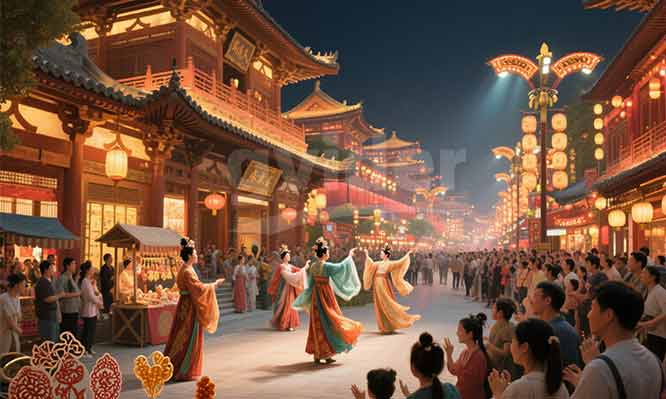
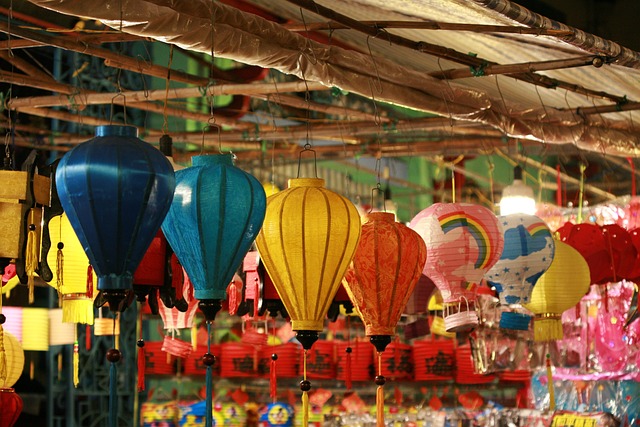
Chinese New Year (the Spring Festival) is the most well known. It begins on the first day of the lunar calendar. They hang red banners, light firecrackers, and give out red envelopes of money. Red is a symbol of good fortune and wards off evil spirits. Family members unite for a big dinner, featuring dumplings as the highlight. Their form resembles ancient silver ingots; hence, they symbolize prosperity and good fortune. Around the nation, villages hold dragon and lion dances. These culminate with the Lantern Festival, when everyone lights and displays colorful lanterns. Most think lanterns symbolize hope, fortune, and a connection between humans and heaven.
The Mid-Autumn Festival was another. It takes place on the 15th day of the eighth lunar month, with a full and bright moon. Mooncakes, perfectly round, represent unity and a desire for abundance. Families consume mooncakes, illuminate lanterns, and occasionally launch mini hot-air balloons. The moon is worshiped with sacrifices, as was the custom of emperors who prayed for a bountiful harvest.
Qing Ming, or Tomb-Sweeping Day, occurs 15 days after the spring equinox. Families go to graves, clean tombstones, and leave food to honor ancestors. It’s a time of remembrance and family bonds.
The Lantern Festival is an event with a long history, reaching back to the Han Dynasty. It wraps up the New Year. They craft lanterns, crack their riddles, and some towns even have parades. The lanterns demonstrate the desire for harmony and peace.
Key impacts of Chinese traditional festivals include:
- Building family unity through shared meals and rituals
- Strengthening ties between generations
- Passing down cultural values and customs
- Marking the change of seasons
- Bringing communities together for public events
Spring Festival (Chinese New Year)
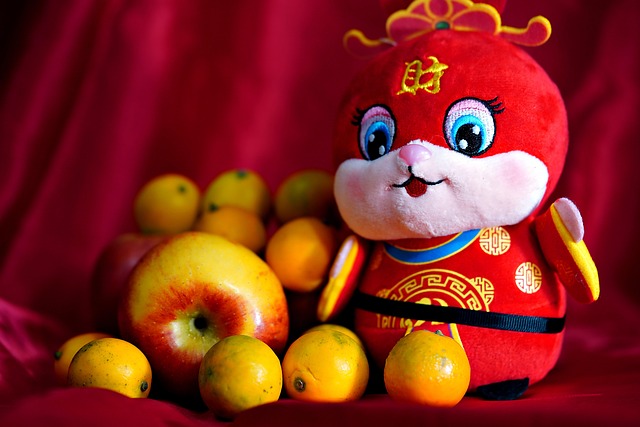
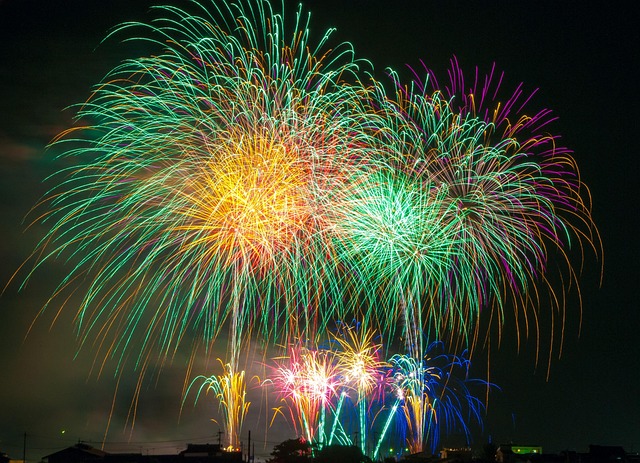
Spring Festival, or Chinese New Year, is the beginning of the lunar calendar. It’s the most popular holiday in China and is celebrated almost everywhere with a Chinese population. People take vacations from work to return home and be with family, regardless of distance. This is a long vacation, sometimes lasting fifteen days, culminating with the Lantern Festival. Homes and streets fill up with bright red banners, paper lanterns, and couplets. Red is the predominant color as it represents luck and wards off evil spirits. Firecrackers and fireworks are detonated in nearly every neighborhood to frighten off evil spirits and celebrate. In most cities, fireworks light up the night sky, although in certain locations new regulations restrict them to maintain clean air.
Big family meals are central to the festival. The most significant is the reunion dinner on New Year’s Eve. Families present foods that symbolize prosperity and fortune, such as fish, dumplings, and sticky rice cakes. Every dish has a symbolism associated with wishing for a prosperous year. For instance, consuming fish implies you will have a surplus, while dumplings resemble ancient coins and symbolize prosperity. Kids generally receive red envelopes with money, ‘hongbao’, to pass them luck and wishes for a secure year.
A lot of families clean their houses before the festival to get rid of bad luck and make way for incoming good things. It’s typical to display blessings of a bountiful, healthy, or peaceful harvest. We pay visits to relatives or friends on the first day of the new year to make good wishes. Others visit ancestral tombs or bring small offerings at home to pay respects and maintain family bonds.
The Spring Festival Gala is a hit TV special that millions watch on New Year’s Eve. It has music, dance, comedy, and artists from around the country. For most, it is a tradition to have the show on in the background while feasting or reconnecting with family. It’s entered into the collective consciousness of the holiday, unifying us no matter our location.
Chinese Lantern Festival
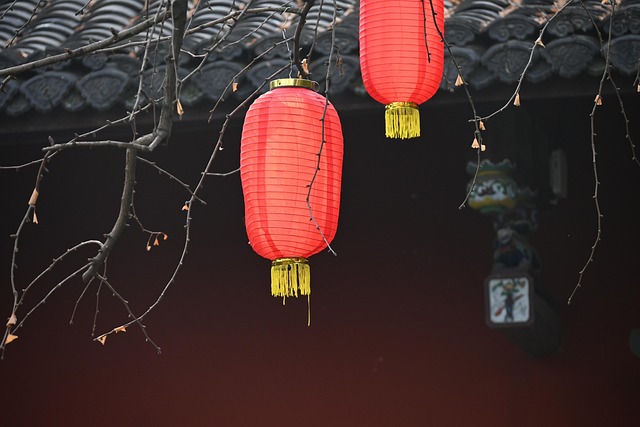
The Chinese Lantern Festival, known as Yuanxiao Jie or Shangyuan Festival, marks the conclusion of Chinese New Year on the 15th day of the initial lunar month. This is the day of the year’s first full moon. The festival originated more than 2,000 years ago in the Han dynasty, when individuals would illuminate lanterns in temples to pay homage to Buddha. Today it is one of the most well-known celebrations in Chinese culture, in China and in overseas Chinese populations. It falls in the Gregorian calendar sometime between early February and early March, which makes it an important date for many.
The colorful lanterns are their most eye-catching part. They hang lanterns in thousands of shapes—birds, fish, flowers—and every color illuminates the night sky. These lanterns are not just for ornamentation. They symbolize hope and good luck and a wish for a bright future. In parks and city squares, even little villages, crowds throng to stroll beneath lantern displays. In some locations, there are lantern fairs with giant, intricate lantern scenes, while others opt to keep it simple with hand-held lanterns. Their festival’s lantern displays can attract thousands and are a centerpiece of pride for numerous communities.
An essential component of the Lantern Festival includes solving lantern riddles, each written on a slip of paper hanging from a lantern. This custom, ‘cai deng mi,’ stretches back hundreds of years. To popular delight, folks love to test their wits and the riddles vary from light word plays to hard brain teasers. Figuring out one typically yields a small reward, but for most it’s the enjoyment and social aspect that draws them in. What a lively event this is, as it brings folks of all ages together.
Everyone unites with food as well. The centerpieces are tangyuan—sweet glutinous rice balls, frequently stuffed with sesame paste or red bean. Tangyuan’s circular shape symbolizes reunion and togetherness. What better way to do so than eating tangyuan with your family or friends! Street stalls, homes, and restaurants dish them out in sweet syrup.
So many places have lion dances, dragon dances, and even fireworks. In certain regions, the holiday presents an opportunity for the youth to mingle and fall in love with supervised meetups and matchmaker gatherings.
Qingming Festival (Tomb-Sweeping Day)
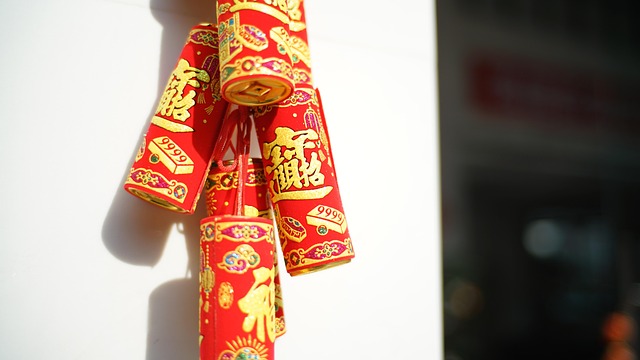
About Qingming Festival (Tomb-Sweeping Day) Qingming Festival or Tomb-Sweeping Day may be one of the oldest and most important traditional events in China. With origins going back at least 2,500 years to the Zhou dynasty, its foundations are deeply ingrained in Chinese values of filial piety. This festival generally occurs in early April, from April 3rd to 5th, immediately after the Spring Equinox. The holiday spans around 15 days, with many viewing it as a critical period to pay homage to former times.
At Qingming, families go to their ancestors’ graves. Tomb-sweeping is a form of filial piety, paying respect and caring for one’s elders in death. They clear the graves, pull up weeds and dirt. Some say this should only be done during Qingming, as doing it on other days may agitate the spirits of the dead. This precise scheduling highlights the reverence for ancestral custom and the faith associated with the holiday.
Qingming customs are more than cleaning. They bring food offerings and burn incense at the tombs. These offerings typically consist of fruits, pastries and food the ancestors loved during their lifetime. The burning incense and sometimes joss paper are means through which to send best wishes to deceased relatives. These traditions aren’t just for the ancestors — they assist in maintaining familial ties across generations. Buddhist teachings have a role here as well, connecting the festival with the spirits of the dead and offering.
Qingming is about embracing spring. A lot of families grab the opportunity to be outside. There are kite flying and park picnics. Consuming seasonal dishes, such as qingtuan (a green rice ball), is another method of commemorating the season. The festival’s customs shifted over time, even combining with the Hanshi Festival, which once entailed eating only cold food for an entire month. In 1949, the holiday’s emphasis shifted when it was renamed “Martyrs Memorial Day” to commemorate national heroes, illustrating how Qingming’s significance can morph with history.
Dragon Boat Festival
Dragon Boat Festival, one of the most well-known Chinese holidays, is punctuated by spirited boat races and distinctive cuisine. It is celebrated on the fifth day of the fifth month of the Chinese lunisolar calendar, typically in the months of May or June. Tracing its origins back a minimum of 1,500 years, the festival has expanded into a widely celebrated event that attracts crowds across China and globally.
Among the highlights are the dragon boat races. These races feature slender boats modeled and decorated as dragons. Paddlers stroke in unison, typically to the rhythm of a drum, over distances ranging from 100 to 2,000 meters. They race on the rivers and lakes in Hong Kong and Guangzhou and many overseas cities with large Chinese populations. The enthusiasm, the beating of drums, and the slashing of paddles unite everyone, whether racing or observing from the shores. These races aren’t merely a measure of swiftness, but camaraderie and collaboration.
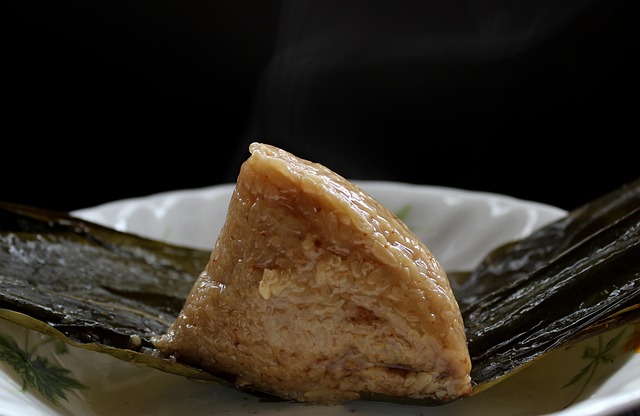
Zongzi, or sticky rice dumplings, are the food most associated with the festival. Wrapped in bamboo or reed leaves, they are filled with glutinous rice and may contain sweet or savory fillings like red bean paste, pork or salted egg yolk. Families come together to prepare zongzi in the days preceding the festival, swapping regional recipes and tips. Zongzi are considered a delicacy and a means to pay tribute to the festival’s origins.
Qu Yuan’s story lies at the heart of the festival’s significance. Qu Yuan was a faithful minister in ancient China who committed suicide by drowning himself in the Miluo River against government corruption. As the tale goes, villagers paddled out in boats to search for him and tossed rice dumplings into the river to prevent fish and evil spirits from harming him. Today, these deeds are commemorated with dragon boat races and zongzi making.
Aside from eats and races, the festival offers cultural performances, music, and activities. Certain areas feature traditional music or dragon dance performances. In remote antiquity, they hung mugwort or calamus on their doors to prevent illness, as the fifth lunar month was a period when poisonous creatures would prowl. It became an official holiday in China in 2008 and is famously the first Chinese festival to be listed by UNESCO as Intangible Cultural Heritage in 2009.
Double Seventh Festival (Chinese Valentine’s Day)
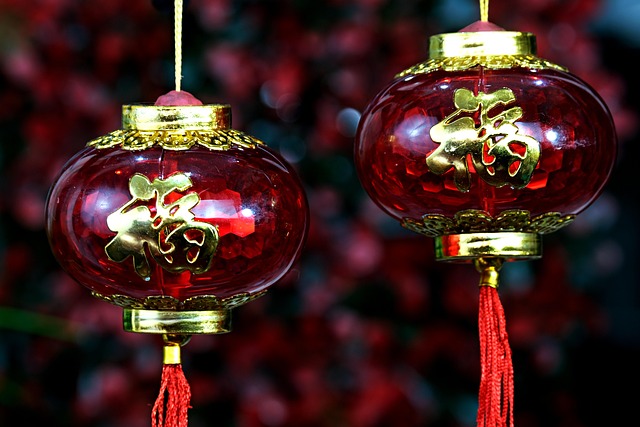
The Double Seventh Festival, known as Qixi Festival or Chinese Valentine’s Day, is one of the oldest romantic holidays in China. It occurs annually on the 7th day of the 7th lunar month, between late July and late August on the Western calendar. Dating back more than 2,000 years to the Han Dynasty, this festival mingles folklore, tradition and modern-day romantic rituals.
They celebrate this day as a holiday for lovers. It’s sort of like Valentine’s Day in some countries, and it’s got its own strong history in Chinese culture. Couples express their love on this day by giving gifts to each other. Men usually purchase some flowers, chocolates, or little gifts for their ladies. Across cities and towns, restaurants and parks experience an increase of couples hanging out or dating. Others opt for mini vacations at scenic destinations, marking the occasion all the more memorable. While not a public holiday, the festival is universally celebrated and provides couples an excuse to exchange sentiment.
Customs are a big component of the festival, particularly in the countryside. One of the primary traditions involves weaving or handicrafts. Ladies earnestly gather and do embroidery or needlework believing that it brings luck and happiness in marriage. Some communities arrange offerings of fruit or tea under the stars, wishing to pay tribute or pray for blessings. Young women occasionally try their hand at sewing needles in the gloaming for luck, considered a token of aptitude. This tradition underscores the appreciation for patience, commitment, and craftsmanship in love.
The myth of Niulang and Zhinu lies at the core of the Double Seventh Festival. Based on the legend of Niulang and Zhinu, a cowherd and weaver fairy whose love was forbidden by the gods. Just once a year, on the seventh night of the seventh lunar month, they can pass over a bridge of magpies to reunite. This legend is a testament to love overcoming adversity. It has inspired poems, music, and art in Chinese culture for centuries.
Today in China the festival is about couples showing affection in little ways, with thoughtful presents, or by spending time together.
Mid-Autumn Festival (Moon Festival)
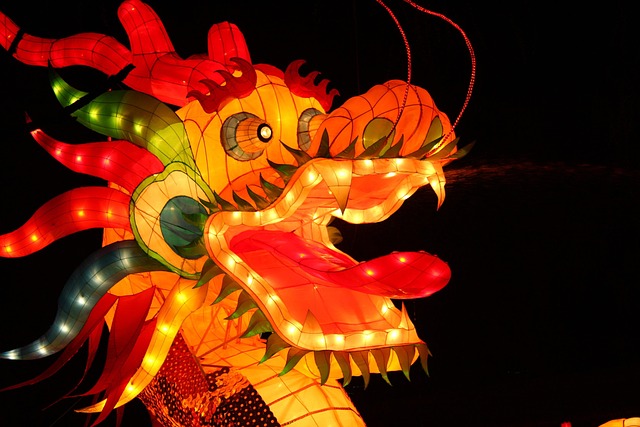
The Mid-Autumn Festival (aka Moon Festival) is celebrated throughout China and other East Asian regions. It is celebrated on the 15th day of the 8th lunisolar month when the moon is at its brightest and fullest. This day is meaningful for many because it represents family reunion and thanksgiving. Families and friends frequently get together outside to share mooncakes and admire the full moon. That round moon is more than a sight; it is a symbol of togetherness and the warmth of reunion, even for those separated from family and friends.
Mooncakes are a big component of the festival. These circular cakes, typically filled with sweet-bean or lotus-seed paste, are exchanged among relatives, friends, and colleagues. Certain mooncakes even contain salted egg yolks to represent the full moon. One way that many families express their respect and goodwill is by giving and sharing mooncakes. The kids can participate with lantern-making or lantern walks. In various locations, lanterns illuminate parks and avenues, featuring forms that span from basic spheres to mythical animals and narratives.
Its origins trace back to ancient moon worship and are connected to the legend of Chang’e, the Moon goddess. According to this legend, Chang’e consumed a magic potion and ascended to the moon, where she resides eternally. As they light lanterns or perform lion dances, adults relate this story for kids. In certain communities, the festival has turned into a kid’s party, with activities and arts and crafts. Cultural shows, folk songs, dances, and poetry recitations complement the festival atmosphere.
The Mid-Autumn Festival is not just for China. Japan, Korea, and Vietnam all have their own customs around this time, often with similar foods and lanterns. Though every locale adds its own twist, the overarching motif remains consistent: gathering together, expressing gratitude, and basking in the glow of the moon.
Double Ninth Festival
Known as the Elderly Respect Festival, it is observed on the ninth day of the ninth month of the Chinese lunar calendar. Nine represents long life in Chinese philosophy, so this is a day dedicated to respecting the elderly and reflecting upon the virtues of age and wisdom. Throughout much of China and the Chinese diaspora, families take time on this day to give thanks and care to their elder members. This can be as easy as sharing a meal, small gifts, or simply enjoying the day together. These deeds emphasize the importance of xiao, or filial piety, a fundamental virtue in Chinese society.
One of the principal ways that people celebrate this festival is by hiking up mountains or hills. This is connected to ancient traditions of getting to the heights in order to dispel bad luck and maintain good health. The custom of hiking combined with chrysanthemum tea or wine is linked back to a Han dynasty tale involving Fei Changfang and his student Huan Jing. They thought that by getting fresh mountain air and drinking chrysanthemum wine they could ward off sickness. The chrysanthemums themselves, which blossom in the fall, are a potent emblem of the celebration. They may go to gardens, attend blossom festivals or sip flower tea, reveling in both their splendor and their symbolism of longevity. In certain areas, they organize mountain climbing races and crown the winner with a wreath of zhuyu, a plant believed to offer protection.
There is a measure of ancestor worship interwoven with the festival as well since the term “double nine” doubles as a homonym for the word “forever” in Chinese. Dating back to the Warring States times, it is one of the oldest festivals still popular today.
| Aspect | Details |
| Historical Origin | Dates back to Warring States period; legend of Fei Changfang and Huan Jing (Han dynasty) |
| Traditions | Mountain climbing, chrysanthemum tea/wine, ancestor worship, mountain races, zhuyu wreaths |
| Significance | Honors elders, celebrates longevity, shows filial piety, wishes for health and safety |
Winter Solstice Festival

Known in Chinese as the Winter Solstice Festival or Dongzhi, it is one of the most significant Chinese festivals. It occurs on December 21, 22, or 23 and represents the shortest day and longest night of the year in the Northern Hemisphere. Dongzhi’s origins trace back to the Zhou dynasty more than two millennia ago, when people performed rituals to recognize the seasonal transition and worship deities. Today, the festival is an occasion for families to gather and enjoy a meal together, preserving its essence of togetherness and warmth.
Family is at the center of Dongzhi. A lot of families take the opportunity to gather, even if it’s miles and miles to get there. There are special foods associated with these gatherings. In southern China, they have tangyuan, which are sweet glutinous rice balls. Tangyuan are round and smooth, representing unity and family togetherness. In the north, families opt for dumplings, which are believed to ward off the cold and bring good luck. Both dishes are made with humble ingredients, but their significance is more important than flavor. Over these shared foods, folks chat, chuckle, and occasionally swap little presents, which makes the evening magical.
Dongzhi is connected to Chinese cosmology and the concept of yin and yang. The winter solstice represents the zenith of yin, the dark and cold force, and the beginning of the appearance of the return of yang, the warm and gentle light. There’s deep significance in this change. It’s about hope, transformation, and the gradual shift toward lighter days. In agrarian life, this was an indication that spring was on its way, so you could begin to plan the upcoming planting season.
Traditional celebrations during Dongzhi encompass ancestral veneration. At home, families establish mini-altars and provide food or incense to commemorate their predecessors. The festival is a time to nurture the body. In Chinese medicine, consuming fatty foods such as pork or lamb aids in reestablishing balance and guarding against winter’s strain. While Dongzhi isn’t a public holiday anymore, the culture persists and folks still live these customs—feasting, napping, and family gatherings.
Laba Festival
The Laba Festival is an important date in the Chinese calendar, falling on the eighth day of the twelfth lunar month. It kickstarts the Chinese New Year run-up and puts us in the mood. This festival is steeped in agricultural and Buddhist roots, significant to families and communities throughout China and beyond.
At the heart of the Laba Festival is the tradition of consuming laba congee. This dish, known as ‘Buddha Congee’, combines rice, beans, nuts, and dried fruits. Certain areas throw in tofu, potato, meat, or veggies, demonstrating how regional preferences influence the dish. Laba Festival congee is more than simply a meal. It represents abundance and wishes for a prosperous year. They exchange it among relatives, friends, and neighbors, making the humble meal together into a bond. In public squares, temples, and local communities, bowls of laba congee may be distributed for free, ensuring that everyone participates.
The festival’s date and name come from the lunar calendar: “La” for the twelfth month and “ba” for the eighth day. The Laba Festival has an ancient history, with connections to both pre-Qin harvest festivals and the legend of Gautama Buddha. Buddhist tradition tells us that this day commemorates Buddha’s enlightenment at age 35. According to a popular myth, a shepherdess fed rice porridge with milk to Buddha, enabling him to discover the truth. This legend imbues congee with significance, linking nourishment and spirituality.
Laba rituals center around paying respects to ancestors and praying for peace and health in the coming year. Families present food and incense at home altars or temples. Such deeds are regarded as a means of expressing gratitude to the ancestors and wishing for good fortune in the next year. As the festival draws to a close, it is a sign that Chinese New Year is on its way and the hope of spring is approaching.
Little New Year (Pre-New Year Festival)
Little New Year (or Pre-New Year Festival) lays the foundation for the Spring Festival or Chinese New Year. It typically falls about a week ahead of the main holiday. This day is dedicated to preparation, both spiritually and practically, for the most important festival of the year.
A big component of Little New Year is spring cleaning the house. They sweep, mop, clean windows and dust shelves. The idea is to broom away bad luck and prepare for good luck in the upcoming year. It’s more than just cleaning. It’s a way to clean the slate and shed anything ill from the previous year. A few households supplement this by cleaning up main doors and touching up worn paint. In the country, cleaning could even mean the yard or public areas. In addition to cleaning, they sacrifice to the Kitchen God. The Kitchen God is believed to observe every family and inform heaven. Offerings tend to be sweet, such as sticky rice cake, honey, and fruits. The thought is that the sugar will seal the Kitchen God’s mouth, so that only positive things get relayed.
Getting ready for the festival means buying special foods and decorations. Markets are busy with people picking out fresh fruits, meats, snacks, and dumpling wrappers. Popular decorations include red banners with wishes for luck, paper cuttings, and couplets written in gold ink. Red lanterns and “Fu” symbols, which mean good luck, show up on doors and windows. Some families shop for new clothes, so everyone can wear something new when the Spring Festival starts.
Little New Year is about more than just chores and shopping. It packs a real punch in getting you in the spirit of things. It is the day that turns the corner from old to new, putting everyone in a holiday spirit. It is officially considered the kick-off for the holiday season. Families typically take this time to convene, feast, and discuss festival plans. Elders might distribute wisdom or recount traditions from previous festivals. These early reunions help create a connection that endures during the entire Spring Festival season.
Ⅱ. Unique Festivals of Chinese Ethnic Minorities
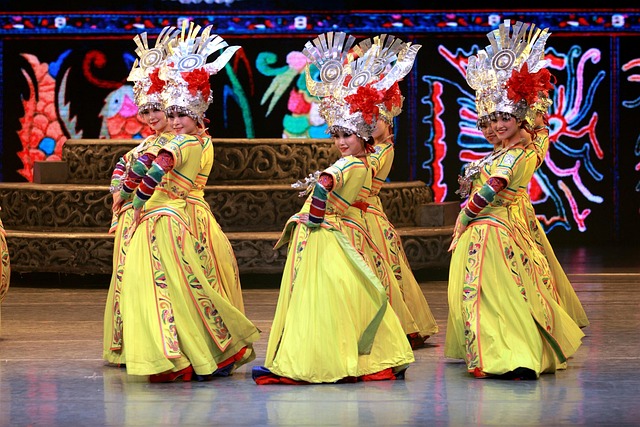
China has more than 50 recognized ethnic minorities, each with their own customs, food and way of life. Their festivals provide a glimpse into how distinct communities celebrate their heritage and beliefs. These occasions reveal not only how they measure time but how they remain tight-knit and preserve ancient traditions. Many of them are connected to agriculture, the seasons, or common faith. They are not just local events but opportunities for travelers to experience and get involved.
- On the Water Splashing Festival of the Dai people in Yunnan, they splashed water joyfully. They splash water on each other to bless each other with good luck and good health. Houses are swept and the flowers line the streets to welcome the New Year. This festival is very much a fusion of Buddhist philosophy and ancient Dai customs.
- The Torch Festival of the Yi, Bai and others occurs in southwest China. It is a combat with darkness and ill fate. Large torches illuminate the night, and people sing, dance, and participate in wrestling matches. Annually, it unites entire villages in mutual aspiration for a fruitful harvest.
- The Mongolian Nadam Fair is famous for its daring sports. Horse racing, wrestling, and archery match the vast grasslands. It’s more than sport; it pays homage to the earth and ancestral warrior traditions. Entire families pitch tents, grill meat, and belt out age-old songs.
- The Tibetan Losar Festival – Tibetan New Year, rich with prayer and ritual. Their houses are swept and their clothes are new. They feed the spirits and attend monasteries. It’s a time of family and remembering the ancestors.
These festivals are more than just calendar fillers. They maintain the vitality of ancient traditions in a modern era. By publicizing these gatherings, communities can ensure their culture remains visible. They are also a means for youth to educate and hand down what’s important to them. By preserving these customs, it gives all of us insight into the wonderful blend of people in China.
Water-Splashing Festival (Dai Ethnic Group)
The Water-Splashing Festival is probably best known among the Dai ethnic group in China’s Yunnan Province. It is held annually, typically in April, and continues for three days. It celebrates the beginning of the Dai New Year and is closely associated with the community’s traditions surrounding water and purification. Everyone is invited to this party, turning it into a vibrant festival that attracts tourists both inside and outside of China.
The core of the festival focuses on splashing water on one another. What seems like plain fun actually symbolizes the washing away of ill-fortune and the showering of good wishes for health and happiness. Locals splash friends, family, and even strangers around them with bowls, buckets, and even water guns. The water is believed to cleanse and dispel the worry carried over from the previous year for a fresh new beginning. Some wear their brightest, cleanest clothes; others dress in traditional Dai patterns. The streets are lined with laughter and the splash of water all around, displaying a sincere spirit of happiness and optimism.
Music, dance and food are a huge portion of the festival. Accompanied by Dai folk music played with flutes and drums, the mood is set for group dances and parades. Dressed in brightly-coloured attire, the dancers glide along in slow rhythmical steps. Food stalls line the streets with sticky rice, grilled fish and tropical fruit such as mangoes and pineapples. Most of them prepare the meals as a family, serving both locals and tourists. This communal sharing of food and culture makes everyone feel like a part of the community, regardless of their origins.
Water was not merely a symbol—it was an integral part of Dai life. Rivers and streams form their villages and water is sacred. They float little lanterns or flowers down the river during the festival as a gratitude offering for water’s gifts. These behaviors demonstrate profound reverence for nature and yearning for a bumper harvest and peace in the new year.
Nadam Fair (Mongolian Ethnic Group)
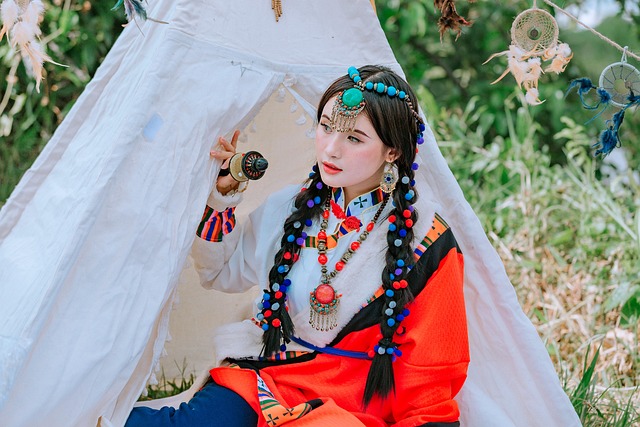
Nadam Fair is one of the most prominent festivals of the Mongolian ethnic group in China. It’s all about the culture, the land and the rich heritage of Mongol people. Taking place every summer, this gathering brings people from far and wide back out to the grasslands, where culture is made real.
Engage in traditional Mongolian sports such as wrestling, horse racing, and archery at this fair.
Sports lie at the core of Nadam Fair. The primary competitions — wrestling, horse racing and archery — have been around for hundreds of years. Mongolian wrestling displays brute force and talent. They don’t have weight classes. Matches are held on open fields, and the crowds follow every play. Horse racing is a race of speed and endurance. The riders are frequently children; light weight aids the horses. Some races last as long as 20 kilometers, and horses are evaluated on speed and spirit. Archery, inherited from the nomadic past, employs wooden and horn bows. Archers shoot at targets in a line, while men and women race.
Savor authentic Mongolian cuisine and experience the rich cultural heritage of the Mongolian people.
Food is a major component of the fair. Boiled mutton, dairy products and hand-pulled noodles are a taste of Mongolian life. Roasted whole sheep is commonly eaten together, demonstrating the importance of communal sharing and hospitality. Dairy treats like cheese curds and fermented mare’s milk are typical. We dine in massive yurt-shaped tents, brimming with laughter and music. Folk songs, throat singing and traditional clothing lend richness to the experience, making the culture easy to see and experience.
Recognize the Nadam Fair as a celebration of pastoral life and community spirit.
The fair is about more than just sports and food. It’s the highlight of the grassland season when herders and families assemble. It’s a way of paying tribute to the earth, animals, and talents that sustain the tribe. It’s a reunion of sorts, a time to see old friends, make new ones, and catch up on the news. Parades, dances, and blessings honor both ancestors and nature.
Participate in colorful parades and performances that showcase Mongolian traditions.
Parades again color the fields. Brightly dressed riders and silk-robed women create long lines on horseback. Dancers do the steps of daily life, like herding or milking. Musicians perform on horse-head fiddles, a Mongolian art symbol. Every such deed is a tie with antiquity.
Torch Festival (Yi, Bai, and other ethnic groups)
Torch Festival is a big summer festival for many of China’s southwest ethnic groups, perhaps most famously the Yi and Bai. Famous for its torch-lit nights, the festival symbolizes the struggle of light against darkness, both worldly and spiritual. Villages and towns are lit up as they light tall torches made of pine or bamboo. These are erected in the open fields or paraded through the streets, presenting an eye-catching spectacle post-sunset. Torches are thought to ward off bad luck and pests, which are crucial for farming communities. The light brings a prayer for abundant harvests and a peaceful year.
Traditional Yi dances go along with the festival. Clans sit in circles around the torches, stomping their feet to thumping drums and infectious folk tunes. Songs recount heroes, legends, and everyday life. Some locations conduct wrestling or bullfighting matches, attracting large audiences. Folk games include tug-of-war or tops. Young and old engage, and it preserves archaic traditions. The spirit is alive, and the identity is obvious.
Its origins lie deep in local agrarian history. It comes in sync with the growing season, when crops must bask in the sun and drink up the rain. Back then, it was thought torches would frighten away bugs and malevolent spirits that endanger farms. The festival is a communal occasion for families and neighbors to confer, exchange news, and resolve conflicts. In most areas, the Torch Festival is as significant as New Year.
Communal meals are essential to the spirit. They roast meat, corn, and other local food over open fires. We all eat together, sitting on small stools or mats. Sharing is respectful and friendly. Newcomers are often welcomed, with guests invited to partake in the feast.
Third Day of the Third Lunar Month Festival (Zhuang and other ethnic groups)
This festival, commonly celebrated by the Zhuang and other groups in southern China, celebrates the beginning of spring. It is held on the third day of the third lunar month. It’s a day all about gathering outside. There are picnics in the woods, rambling in the fields and folk shows. The weather’s nice, so it’s an excuse to get out of the house and see some friends or relatives. You’ll often see groups sharing food on the grass. Local musicians perform and time-honored dancers strut their stuff. These deeds are not mere play; they help preserve ancient legends.
To honor the ancestors and elders is at the heart of this festival. Many families sweep tombs and offer sacrifices to their ancestors. Simple acts mean a great deal to each group. They think this keeps harmony in the family and the broader community. In certain towns and villages, you will find queues at shrines or temples. They burn incense or food as a token of gratitude. These traditions reflect the close bonds between the living and the dead and among individuals.
This festival has its source in the Zhuang culture and is a part of the life of other groups as well, such as the Yao, Dong, and Miao. It’s just another way for them to maintain their own identity and transmit their own way of life. Each group contributed something unique to the festival. The Zhuang would perhaps sing antiphonal songs. The Dong could boast their drums. The Miao could dress in colorful garments and participate in folk dancing. Each takes the opportunity to share food, music, and crafts with their neighbors. All these local shows and meals are available to the public and many visitors participate.
Shoton Festival (Tibetan Ethnic Group)
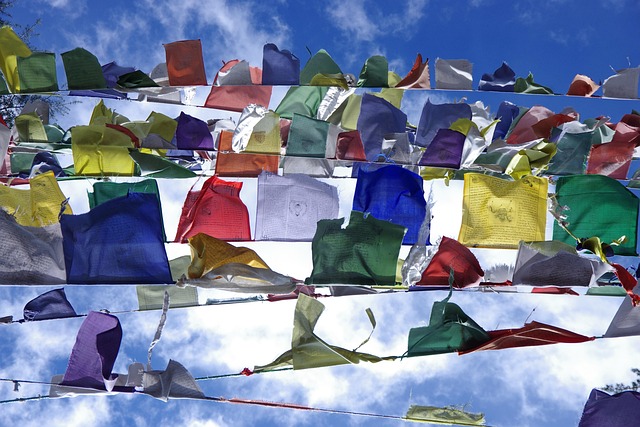
Shoton Festival, or Yogurt Festival as it’s known, is one of the most significant celebrations for Tibetans. Taking place annually in Lhasa, it is the conclusion of the monks’ summer retreat. Locals and visitors swarm the city to experience days of culture, cuisine, and spirituality. The festival mixes religious ceremonies with cultural performances, creating an atmosphere in which anyone and everyone can participate.
At the heart of Shoton is Tibetan opera. Troupes perform outside, usually in a park or on temple grounds, in bright costumes and painted masks. The narrative presented on stage consists of ancient Tibetan folk tales or Buddhist stories. With mats in hand, they join family and friends to witness hour-long opera beneath the open sky. Apart from opera, energetic folk dances, music, and local games populate the city. These performances keep the culture vibrant and accessible for anyone to participate, even if you’re not versed in the language.
Food is the festival. Everything from yak butter tea and momos (meat or veggie dumplings) to sweet yogurt is served everywhere. Yogurt is significant given that ‘Shoton’ translates to ‘yogurt banquet’. Locals present yogurt to monks with respect. Street vendors hawk snacks and families spread out picnics in the parks. Food sharing is a place for locals and guests to connect and exchange knowledge.
Shoton Festival’s origins are deeply tied to Tibetan Buddhism. The monks would retreat to solitude for weeks in the summer to elude trampling insects and small creatures. When they were done, locals would welcome them with yogurt bowls. Eventually, this evolved into a large festival. Rituals are a feature, for example, the display of a giant Buddha thangka at Drepung Monastery. On the first day of the festival, people come to see the thangka, worship, and pray. These deeds assist all of us – Buddhists or not – to contemplate our lives and our worth.
Eid al-Fitr (Hui and other Muslim ethnic groups)
Eid al-Fitr is the conclusion of Ramadan. In China, Hui and other Muslim ethnic groups gather to rejoice this day with their faith and local traditions. Eid sabahı aileler cami veya açık alanlarda namaz için bir araya gelirler. These prayers are a central component of the holiday, uniting individuals in communal worship. After prayers, families head to visit the graves of their dear ones and loved ones, clean tombstones, and pray for peace.
Lots of food on Eid al-Fitr. Hui families prepare special foods such as steamed buns, roast lamb, and hand-pulled noodles, which are shared not only with family but with friends and neighbors. This open table approach forges tighter ties within the community. Other families send food to those who may be short, so that no one is excluded from the holiday spirit.
Charity is not only a custom; it’s a requirement of Eid al-Fitr. A lot of Muslims pay zakat, alms giving, to help those in need. You’ll often notice community kitchens dishing out free meals or collectives amassing donations for the underprivileged. These actions demonstrate the emphasis on generosity and compassion, a central virtue of this celebration.
Eid al-Fitr is more than a religious occasion. It has a very social aspect. In many villages and towns, fairs and markets are held to buy new clothes, delicacies, and gifts. Dancers and musicians in public squares make the day vibrant and colorful. These regional celebrations provide the Hui and other Muslim ethnic groups an opportunity to exhibit their vibrant culture to the general population, educating others on their traditions.
Eid al-Adha (Hui and other Muslim ethnic groups)
Eid al-Adha is the most significant festival for China’s Muslim communities, particularly for the Hui, China’s largest Muslim ethnic group, and other Muslim ethnic minorities. This one commemorates the tale of Ibrahim (Abraham) who, in the eyes of Islam, was prepared to sacrifice his son as a display of faith. The day begins with morning prayers in local mosques. Men, women, and children wear clean or new clothes and most take food to share. Families and friends join together at meals and community events following prayers. The atmosphere is peaceful and grateful, centered on devotion and solidarity.
The Qurbani ritual is an integral component of Eid al-Adha. Those who can buy an animal – sheep, goats, cows, etc. The animal is sacrificed according to Islamic regulations. The meat is divided into three portions. One portion is for the home, one portion is for friends and neighbors, and one portion is for those in greatest need. This is not only an act of faith but of caring. Sharing meat with the poor is an essential component of the festival. It unites the community and ensures that even the less affluent can enjoy a feast on the occasion.
Eid al-Adha cultivates the tradition of sharing and togetherness. During this time, the Hui people, as well as the Kazakh, Uighur, and Dongxiang groups, reinforce their relationships and support one another. Community activities can feature communal prayers, philanthropic efforts, and communal feasts. In places like Xi’an, Yinchuan, or Urumqi, such grand assemblies underline the deep role of faith and culture in people’s daily lives. Others pay visits to the graves of relatives, and some villages organize fairs or food bazaars with local specialties. It’s not simply a religious festival. It’s a time to show concern, honor, and solidarity to our neighbors and even strangers.
Ⅲ. Main Chinese Modern Festivals
China’s modern festivals are a fusion of ancient roots and innovation. They have expanded rapidly with the country’s economic and social transformations. While many of these festivals are about instilling a sense of unity and pride — connecting big city to small town people — these events frequently emphasize motifs such as advancement, patriotism, and collective aspirations. They may begin from state occasions or new social movements, but almost all come into contact with individuals at all strata of society.
China’s National Day on October 1 is one of the largest. It celebrates the establishment of the People’s Republic of China. This day means mass gatherings, grand parades, and fireworks in many cities. This week-long vacation, called “Golden Week,” has millions journeying to either visit family or tourist destinations. The other one is Labor Day on May 1. This holiday celebrates the workers and their contribution to the country’s construction. Public squares erupt with performances, and just about everyone gets time off to chill or travel.
Technology and pop culture have influenced contemporary festivals as well. Singles’ Day on 11/11 began as a means for single people to celebrate themselves. Now, it’s the world’s biggest online shopping day, with massive discounts and exclusive offers. Youth Day on May 4 commemorates the May Fourth Movement, a seminal moment in Chinese history. Teenagers participate in lectures, competitions, and study sessions on social development and patriotic objectives.
Modern festivals mirror China’s transition to urban living and international connections. They demonstrate how they combine tradition with new habits and new values. A lot of events embrace new tech, such as live streams, e-payments, and more, to reach even more people.
Common activities during these festivals include:
- Watching fireworks and light shows in city centers
- Shopping online during big e-commerce sales
- Visiting museums or cultural sites with family and friends
- Joining public parades, concerts, and performances
- Taking part in sports events or charity runs
- Sharing festival greetings on social media
National Day
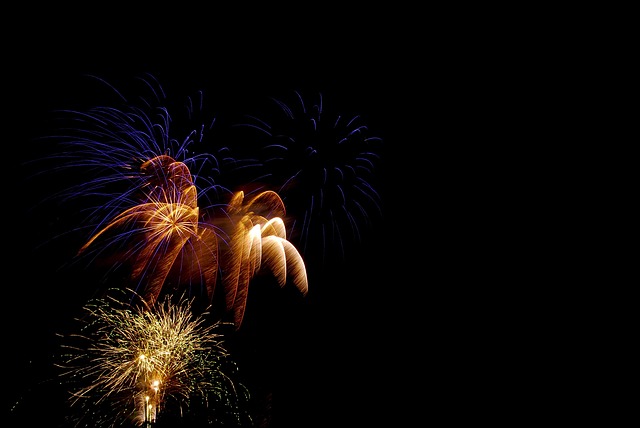
National Day in China celebrates the establishment of the People’s Republic of China on 1 October 1949. It is one of my favorite public holidays because it’s so grand and patriotic. The day is reserved annually for individuals throughout the nation to participate in activities that demonstrate their appreciation for the country’s advancement and solidarity. Whether in the city or the country, they celebrate this day with events that unite communities. It is less about division and more about common pride and hope for the future.
At the heart of National Day is the parade in Beijing. This attracts thousands of people and is very heavily telecast. Marching bands, soldiers, and floats parade past Tiananmen Square, showcasing the country’s past and present accomplishments. Fireworks illuminate the nights in cities and towns, accompanied by music and flag-raising ceremonies. The red decorations, flags, and lanterns are everywhere, illustrating the holiday’s close association with national pride.
Patriotic activities are rife and extend beyond official ceremonies. Schools, offices, and neighborhoods organized their own programs. They may incorporate communal singing, storytelling, or even kiddies’ drawing competitions. Millions don red or wave tiny flags as an easy way to participate. Museums and historical sites often have free or reduced admission, which educates people about the country’s history.
Community get-togethers are a big part of this time. They frequently participate in local fairs, sports competitions, or unique meals with their loved ones. These get-togethers go a long way in keeping the National Day spirit alive and well and ensuring that no one is left out!
| Event/Tradition | Description | Significance |
| Grand Parade | Military and civilian displays in Beijing | Marks national unity and progress |
| Fireworks | Nighttime shows in major cities | Symbolize celebration |
| Patriotic Activities | Singing, flag-raising, cultural performances | Build pride and participation |
| Community Events | Local fairs, sports, public gatherings | Strengthen community bonds |
| Public Decorations | Flags, lanterns, red banners everywhere | Show national identity |
CPC Founding Day
CPC Founding Day celebrates the beginning of the Communist Party of China on July 1, 1921. Every year on this day, there are events that reflect on the party’s beginnings and its role in the narrative of China. Ceremonies occur from coast to coast, in big cities and small towns. Schools and community groups organize assemblies where attendees hear addresses, enjoy performances, and participate in flag-raising ceremonies. These days aren’t simply focused on the past; they connect back to teachings on history, togetherness, and the nation’s future.
On CPC Founding Day, the majority participate in discussions and panels examining the party’s role in building contemporary China. Teachers, students, and local leaders talk about the changes brought in over the decades — land reform, economic growth, and new social programs. These talks make the party’s decisions come alive to people. Others explore books, mini-movies, and news stories to illustrate how the party blossomed from a faction with a few dozen members to one boasting millions. Museums and libraries might open special exhibitions, letting people get a closer look at pivotal moments in party history.
CPC Founding Day serves as an occasion to raise political consciousness and encourage civic responsibility. Schools usually pioneer in lessons on the responsibilities of good citizens and the concept of serving the public good. Others organize art shows or essay contests for young people to express their thoughts on China’s future. Senior citizens could participate in communal recitations of iconic speeches or laws that defined the nation. Volunteer events or clean-up activities could take place in public parks and squares, demonstrating the concept of service.
Local celebrations tend to emphasize the party’s impact on everyday life. In other regions, they relish outdoor shows or parades that display their local traditions and new developments. Others could have modest meetings in community halls, exchanging narratives of transformation and optimism. Politically charged, it serves as a moment for us to unite, educate, and reflect on the future.
Army Day
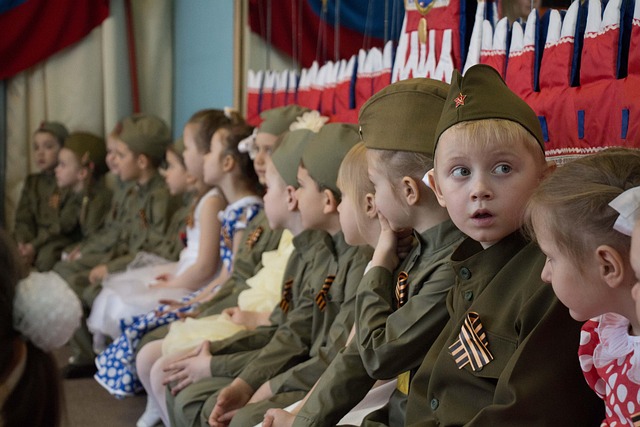
China’s Army Day on August 1 annually commemorates the founding of the People’s Liberation Army (PLA). The day serves as a national display of appreciation for the armed forces and its established history in the nation. For the cities and towns that participate, there are events to remember and celebrate the effort and sacrifice of soldiers – past and present. That day’s military parades are a big deal. These parades usually include uniformed soldiers marching in step and vehicles and equipment trundled past for spectators. Numerous cities arranged exhibitions showcasing the PLA’s history, soldier work photos, and medals and awards. These events are open to the public, and they attract everyone – from students to families and local leaders.
Army Day, in addition to its parades, is about educating the public to the importance of national defense. Schools and community centers hold lectures and seminars to educate youth and adults on the importance of a robust military. Others participate in open days at local army bases, where you can meet soldiers, see training first-hand and get a taste of military life. Numerous communities have screenings of films, art shows or book fairs that focus on the armed forces stories. These activities aren’t just celebratory; they help foster pride and confidence in service members.
Army Day helps to increase patriotism. It’s a day to remember the price of peace and the effort to protect our borders. Some local organizations hold blood drives or charity events for deceased soldiers. Others lay wreaths at war memorials or pause for a time of silence in remembrance. They connect national security to daily life for people of all ages. Army Day isn’t just a soldier’s celebration – it’s a day to unite, educate, and appreciate.
Chinese Youth Day
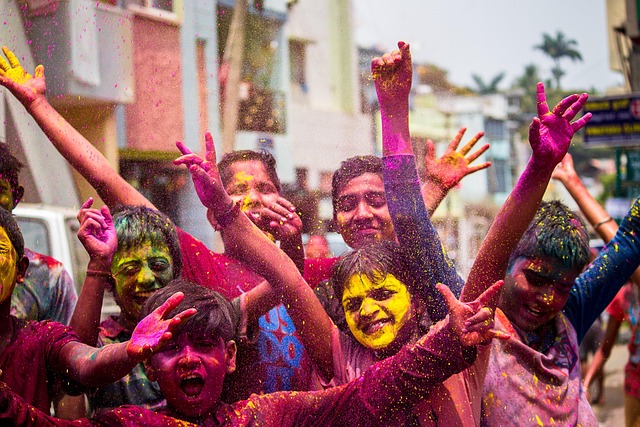
Chinese Youth Day, celebrated annually on May 4, represents a public recognition of the place of youth in society. The day has its origins in the 1919 May Fourth Movement—a student-led protest for modernization, reform, and national renewal. Today, it’s less about politics and more about celebrating how youth influence contemporary China. For us here at TechCrunch, it’s an opportunity to applaud the vision, creativity, and ambition of young folks to make a difference.
All over the nation, schools and communities seize the Chinese Youth Day to organize activities that encourage leadership and self-development. Workshops, seminars, and panel talks abound. These camps tend to concentrate on things like teamwork, problem solving, and public speaking. For instance, a lot of high schools host debates or team assignments where students actually collaborate to address live issues. A few youth clubs organize community service, like volunteering in nearby parks or with the elderly, to instill the importance of giving back. All these activities seek to instill confidence and assist youth in visualizing themselves as leaders of tomorrow.
The day emphasizes the importance of civic participation among China’s youth. In addition to in-school activities, civic groups and local governments organize forums and cultural activities that encourage free discourse on social and national topics. These meetings prompt youth to speak their mind and offer actionable ideas. In select cities, our youth representatives meet with local officials to provide their concerns and feedback on policies. Such dialogues help close the divide between young citizens and decision-makers, making them feel their input counts.
Public recognition is yet another major component of Chinese Youth Day. Many neighborhoods have award ceremonies or talent shows. Top students, volunteers, and young entrepreneurs are frequently honored for their accomplishments. These occasions highlight people or groups who have contributed in some way, be it in academics, athletics, science, or community contributions. By demonstrating concrete ways young people can make a difference, the day encourages others to set ambition and reach for greatness.
Teachers’ Day
Teachers’ Day in China is a formal event dedicated to recognizing teachers’ dedication and enduring impact. This year’s observance, taking place on September 10, is a public reminder of how important teachers are to molding individuals and communities. In urban neighborhoods and remote villages, the focus is on teachers who devote endless afternoons mentoring young minds, frequently with scant supplies but a deep passion to serve.
On this day, both students and parents express their appreciation to educators. Small gifts, thank-you notes and flowers are all typical. Numerous schools organize ceremonies where teachers are recognized publicly. These special days are designed to make teachers feel appreciated for their wisdom and tolerance. In others, children might sing or read poems about respect and education. The media loves to tell stories of teachers who go above and beyond, highlighting their work to the public and inspiring us all to value the profession more.
Teachers’ Day is not just an occasion to celebrate, it is an opportunity to discuss the significance of education. Schools and communities might organize forums or workshops that address teachers’ challenges and how to better support them. THESE ACTIONS PROVIDE ALL OF US WITH AN OPPORTUNITY TO REFLECT ON HOW EDUCATION NURTURES FUTURE LEADERS AND CULTIVATES A STRONGER COMMUNITY. For instance, some universities host open lectures or have guest speakers discuss the importance of lifelong learning, hoping to inspire renewed passion for both teaching and learning.
The day serves to build camaraderie and pride among the teachers themselves. It reminds them that their work matters, not only to each student they educate but to the country. So Teachers’ Day is a mark of reverence for an occupation that all too frequently falls through the cracks and it helps to spark continued conversation about how to most effectively honor those who educate.
Chinese Farmers’ Harvest Festival
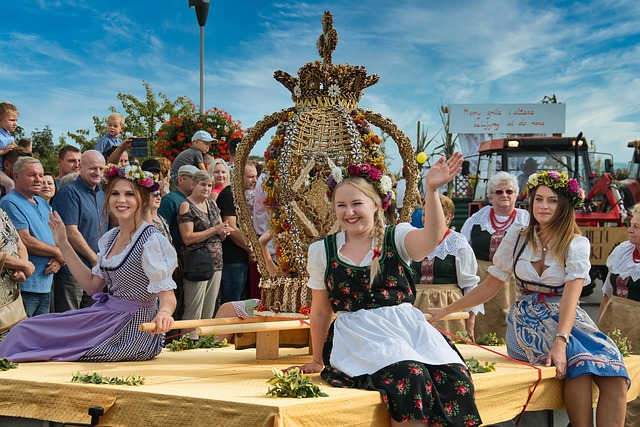
Chinese Farmers’ Harvest Festival is a contemporary festival that celebrates the contribution of farmers and rural life. It began in 2018 and occurs on the Autumn Equinox, around late September. It is a celebration to appreciate those who cultivate the earth and highlight the role agriculture plays in impressing its mark on the landscape and lifestyle. It celebrates the work, expertise, and customs that put food on tables throughout China and beyond.
It honors farmers’ hardworking spirit with an emphasis on the entire farming community. Out in these country towns, the farmers get together and swap yarns, flaunt their crops, and participate in games. These get-togethers span the urban-rural divide. In most locations, you will encounter them in local dress, sampling new crop foods. Think of rice, wheat, corn, and fruit as a few examples. We cook and eat these foods together to express gratitude and solidarity.
Some checklist items for this festival are fairly common. You can participate in crop-picking contests, engage in folk music and dance, or browse open-air markets featuring local produce. This includes farming tool shows, cooking lessons with fresh grains and produce, and straw and husk craft workshops. Some towns even have floats made out of farm products and parades. Kids can attempt planting seeds or discover the uses of basic tools. In many places, you can go on tours of local fields and farms to observe the process of food cultivation.
The festival is even more valuable as it emphasizes the importance of food security. By celebrating the harvest, we are reminded of all the labor and craftsmanship that goes into the food. It is an opportunity to discuss the importance of resilient, secure food systems and the threats posed by climate change or resource degradation. This festival highlights the importance of robust local farming and allows folks both young and old to witness where their meals originate.
Local celebrations sometimes feature demonstrations in which expert farmers wield ancient-style plows, threshers, or other implements. They observe grains getting hand sorted or groups cooperating to lift and carry crops. Some communities organized plays or puppet shows that featured farming life. These traditions preserve the ancient rites of harvest and inculcate them in the new generation.
China Journalists’ Day

China Journalists’ Day is a national observance that highlights the role of journalists in society. This day celebrates a reminder of the way journalists influence what we learn and discuss, frequently acting as the conduit between happenings and the public. Their work influences how we see the news, shapes opinions and makes decisions. After all, much of what we read, watch or hear begins with a reporter out in the field, asking questions and seeking answers. The importance of their craft extends beyond reporting and assists individuals in comprehending events occurring both close to home and across the world.
A big element of this day is discussing journalistic principles and the importance of press freedom. Journalists are confronted with difficult decisions about what and how to disseminate. The distinction between fact and opinion can be subtle. A day to talk about how to keep news honest and accurate, and why it’s important that journalists can work without intimidation. These conversations aren’t just for journalists but for readers who are curious about how news is created. In many parts of the world, we don’t have that right. Activities and lectures on Journalists’ Day frequently emphasize the importance of defending this right to ensure that every voice can be listened to. These concepts are relevant to all of us who consume the news.
The day provides citizens an opportunity to express their gratitude to journalists for their role in sustaining democracy and civic life. By mining for information, posing tough questions and reporting on what’s important, journalists empower individuals to participate in their own societies. For instance, local journalists may report on city meetings or public health news that aids citizens in making day-to-day decisions. Their reporting keeps us updated on topics that may influence education, medicine and politics.
Activities on this day bring awareness to the dangers journalists encounter, such as intimidation or stringent laws on freedom of speech. Workshops, talks, and open forums are typical. These stories demonstrate to the world that speaking truth to power is not inevitable but is necessary.
National Tree Planting Day
National Tree Planting Day is a public event dedicated to growing new trees and increasing environmental awareness. Individuals throughout China participate in nearby tree-planting campaigns, in which communities of all ages plant saplings in local parks, at the edges of cities and in school grounds. These efforts help folks recognize the connection between day to day activities and the grander vision of sustaining the planet for the long haul. Schools schedule activities and projects related to trees, such as educating students on how trees purify air, prevent soil erosion and provide shelter to birds and small animals. They share tips about caring for young trees, like how much water to give them or how to help them grow strong roots.
Even more communities take the day to collaborate on bigger work. Local groups and city offices come together to transform vacant lots or unused land into fresh green space. In cities where air pollution is a concern, these new groves provide a literal breath of fresh air and a safe place to walk, play, or rest. It inspires volunteers uprooting trash and weeds from old parks or riverbanks, creating space for new growth. In rural areas, the emphasis could move to planting fast-growing trees for shade, food, or wood, which brings value to farmers and their families. These collaborative acts of kindness not only benefit the soil but foster a community spirit for the neighborhood.
It’s more than just planting a few trees on National Tree Planting Day. It’s about creating sustainable habits. By dedicating a day annually, it encourages people to view themselves as stewards of the earth. It can manifest in little decisions, such as collecting trash or reducing water usage, and big ones, such as becoming involved in additional sustainability initiatives or educating others on the importance of trees. There are awards and public accolades for individuals and organizations that exceed, like schools planting a thousand trees or businesses supporting community forests. These stories propagate a culture of care for nature.
Conclusion
Chinese festivals reflect a rich history of tradition, family and evolution. Each represents something real — hope, gratitude, connection. There’s lighting lanterns, eating mooncakes, dragon-boat rowing and tomb sweeping. These behaviors connect ancient traditions with contemporary moments. Ethnic groups add their own flavor, such as water fights or torch parades. More contemporary days provide fresh causes to participate, such as National Arbor Day or Teacher’s Appreciation Day. Each of these days provides a reprieve from the mundane and an opportunity to bond. To find out more, get to a local festival or just read a first-hand account. Festivals make it simple to make new friends and view life from a new perspective. Connect, inquire, and post discoveries.
Frequently Asked Questions
What are the most important traditional Chinese festivals?
Spring Festival, Mid-Autumn Festival and Dragon Boat Festival are the most significant traditional Chinese festivals. These are honored throughout China and signify family, harvests and tradition.
How is the Chinese New Year (Spring Festival) celebrated?
Chinese New Year brings together family, feasts, fireworks, and the color red everywhere. We sweep our homes, give gifts, and honor our ancestors for fortune in the new year.
What is the Lantern Festival?
The Lantern Festival concludes Chinese New Year festivities. They light lanterns and delight in tangyuan, sweet rice balls, and dragon and lion dances in public squares.
Which Chinese festivals are linked to ethnic minorities?
There are some festivals specific to Chinese ethnic groups, such as the Water-Splashing Festival (Dai), Nadam Fair (Mongolian), and the Shoton Festival (Tibetan).
What is the purpose of Qingming Festival (Tomb-Sweeping Day)?
Qingming Festival is to remember the ancestors. People go to the cemetery to sweep the tomb and present offerings to ancestors as a form of respect.
Why is the Dragon Boat Festival celebrated?
The Dragon Boat Festival commemorates the poet Qu Yuan. They race dragon boats and consume rice dumplings, or zongzi, to celebrate his legacy and encourage unity.
Are there modern Chinese festivals as well?
Yes, China has its own version of modern festivals such as National Day, Teachers’ Day, and Chinese Youth Day. These celebrate accomplishments, occupations, and nationalism in contemporary Chinese culture.
Article written by Gvider | China Travel Agency in China
Original article source: https://www.gvider.com/chinese-festivals-comprehensive-overview/